We wanted to try a hackathon. The three of us, Nhan, Alikhan, and Tenzin, had been learning to code for a while, but we had no idea how our skills compared to students outside ISAK. So in 2025, we signed up for the NASA Space Apps Challenge, just to see what would happen.
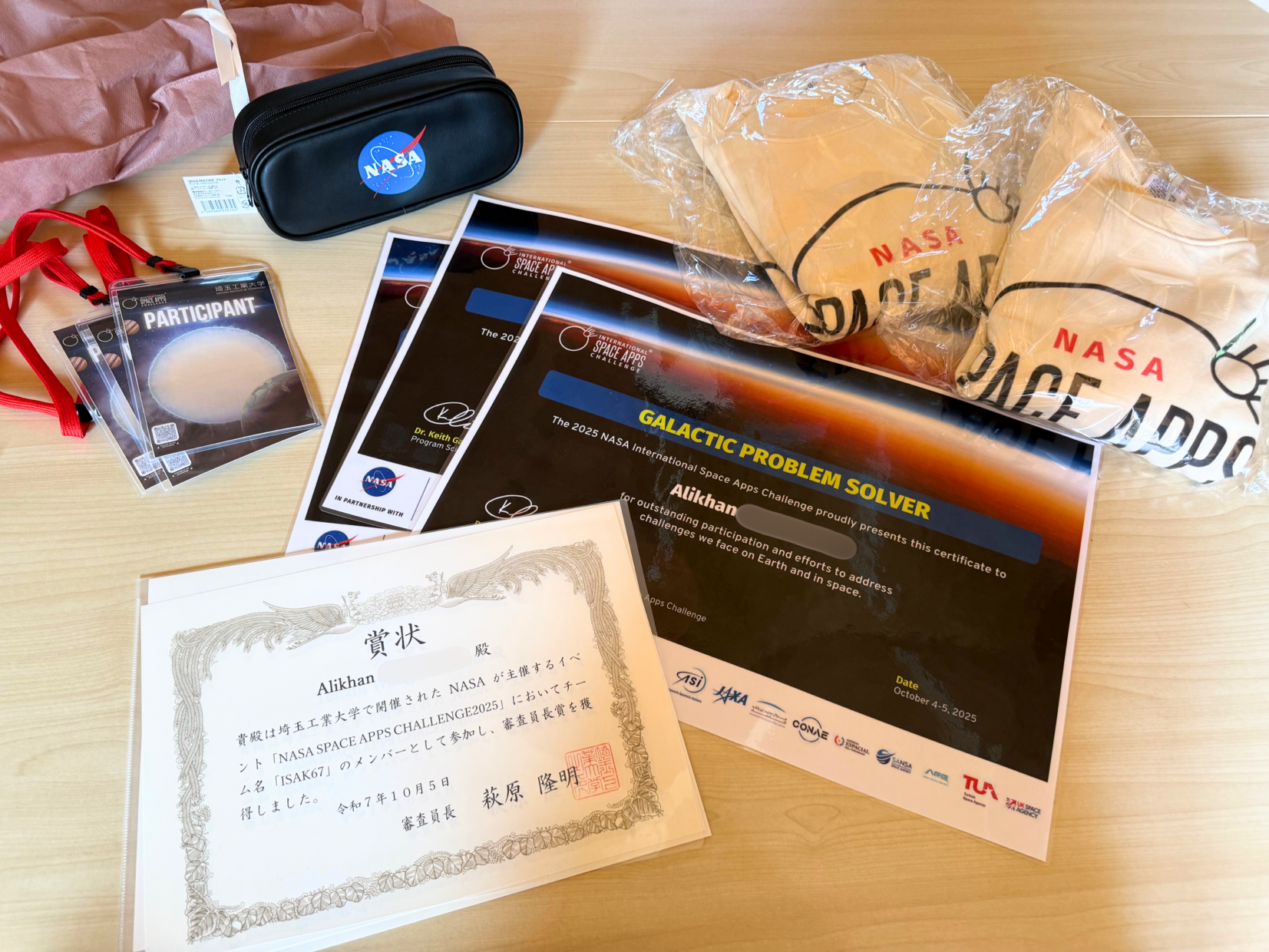
We ended up being among the youngest teams selected. And after two sleepless days building a climate simulation game, we won our first round against ten other teams.
Finding Our Rhythm
The challenge was straightforward: choose a topic, use NASA’s open-source satellite data, and create something useful for the community. But as soon as the hackathon began, we hit our first roadblock.
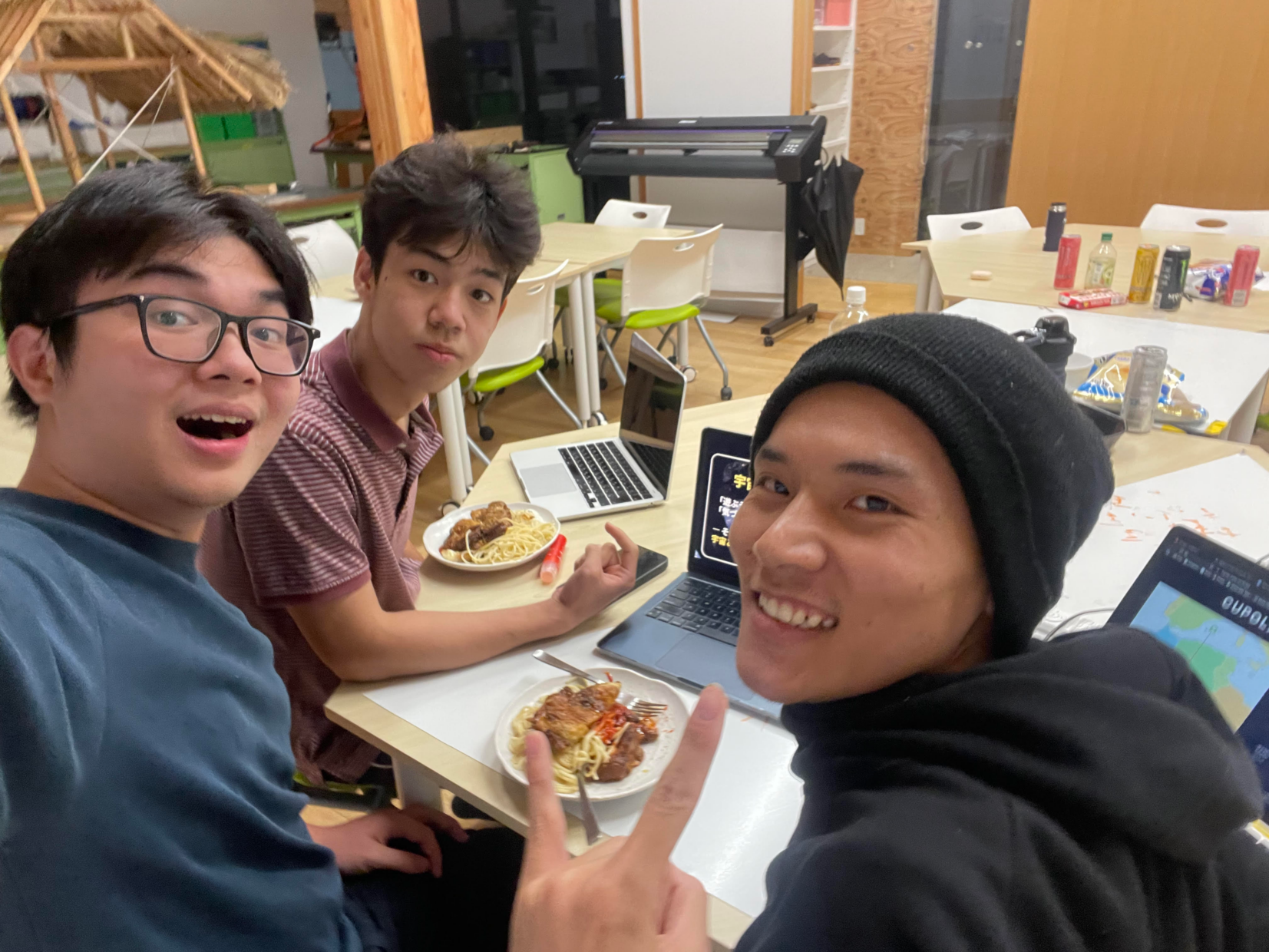
We lost a lot of time trying to allocate tasks to each other. The breakthrough came when we stopped forcing predetermined roles and started switching tasks around. We discovered that what one of us could accomplish in five minutes might take another hours to understand. By playing to each person’s strengths, our productivity soared.
Building Under Pressure
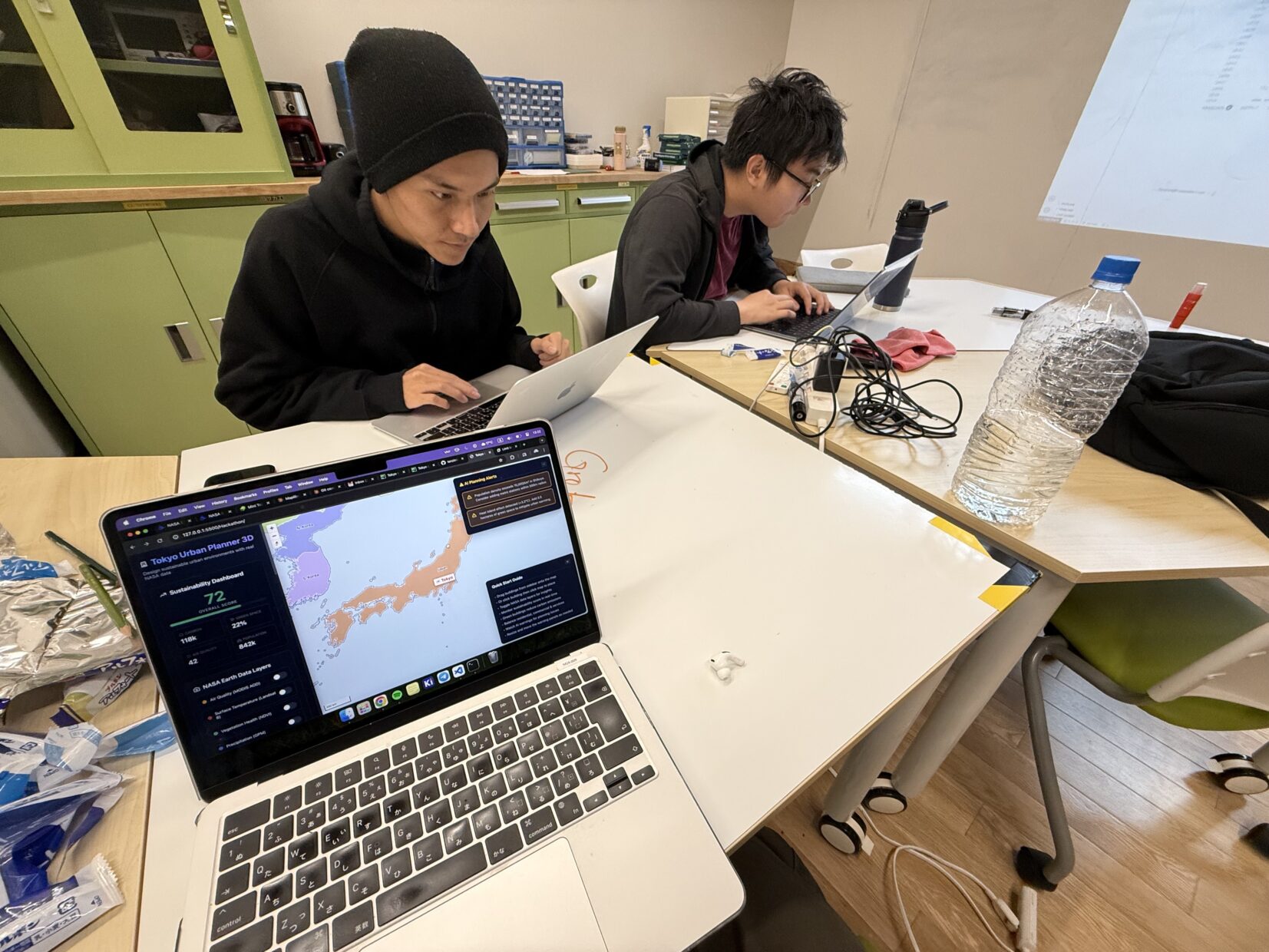
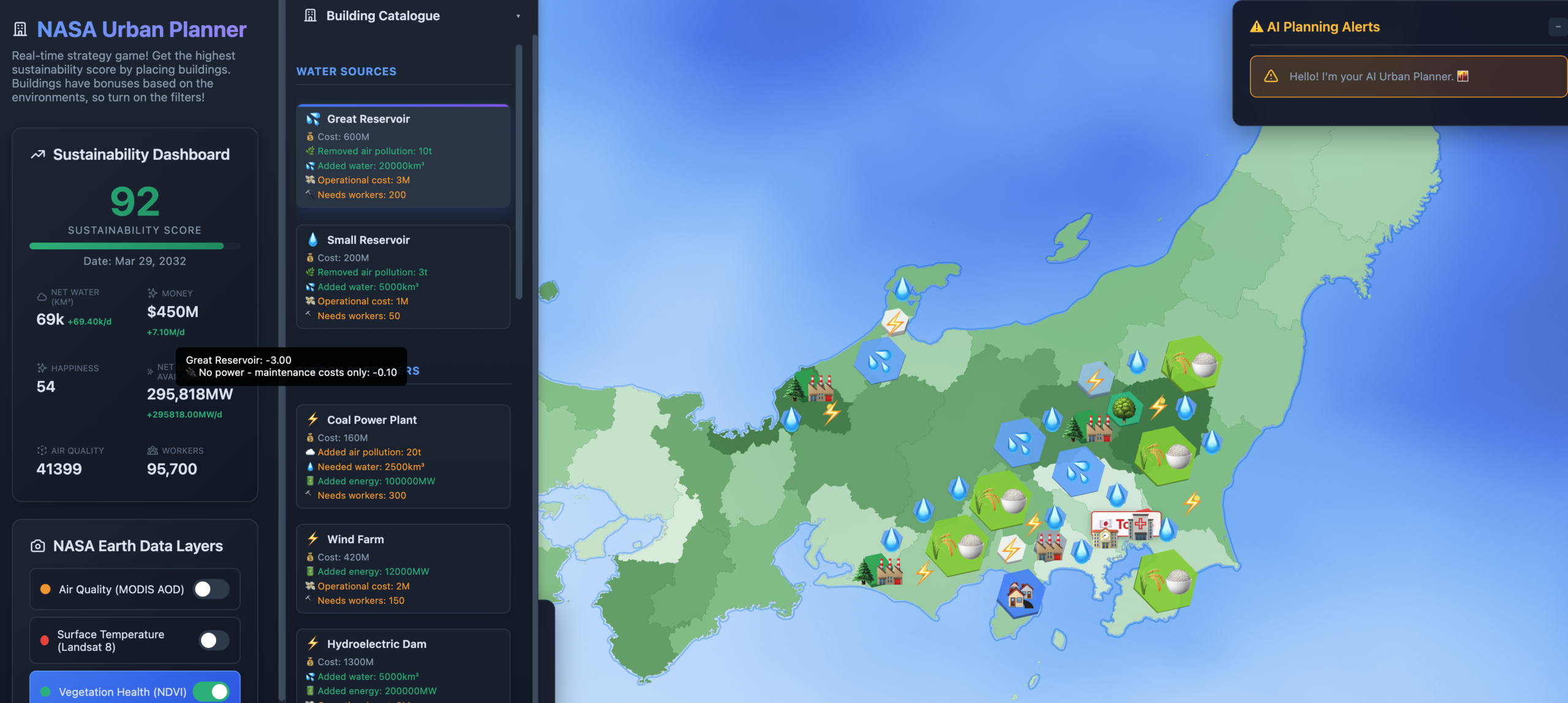
With our collaboration issues solved, we got to work. Over two intense days (fueled by potato chips and no sleep) we built an online live platform featuring a realistic urban planning simulation game.
The simulation uses Japan as its map and integrates NASA data to show real-life resource limitations and climate change impacts. Players can see humidity data based on region and how infrastructure decisions affect the environment. The game challenges users to balance available resources while accounting for climate realities.
Our simulation is currently live at https://al1kss.pythonanywhere.com/
Competing against ten other teams, we won the first round. More than the victory itself, the experience opened doors. We met local applicants, connected with students across Japan, and gained confidence that extended beyond the hackathon.
The ISAK Effect
But perhaps the deeper impact came from our time at ISAK itself.
Being in ISAK affected how we see sustainability. There are many talks about it, and you start to actually believe in its importance. You look at what is happening in your own country. Without ISAK’s environment, we would not have taken this path.
The school’s diverse community played a crucial role in shaping our awareness. Being surrounded by students from different countries and backgrounds made global issues feel personal and urgent. Climate change was not just an abstract concept discussed in class—it became something we saw affecting our classmates’ home countries in real time.
The school did not just teach us to code or pass exams. It taught us to care about problems bigger than ourselves and gave us the tools to do something about it.
Our Message
For students considering similar challenges, we have one clear message: do not be scared of big names such as NASA. Just do it!
Sometimes the biggest barrier is not the technical challenge or the competition: it is the assumption that you are not ready. We proved otherwise, armed with nothing but curiosity, determination, and a lot of potato chips.